If you've ever tried adding a CBD tincture—say, a pristine USDA certified organic one from Joy Organics—to your sparkling water only to watch it stubbornly bead up and float on the surface, you’re not alone. This phenomenon is a classic example of how cannabinoids behave outside their native oily environment. Understanding why cbd oil separates in water and what can be done about it requires a little dive into chemistry, kitchen-tested emulsions, and beverage science.
The Lipophilic Nature of Cannabinoids: Why Oil and Water Don’t Mix
Cannabinoids—a family that includes CBD, THC, and others—are fundamentally lipophilic, which means they are fat-loving molecules. They dissolve readily in oils and fats, not in water. This is why most tinctures use an oil base, like MCT oil or hemp seed oil, to suspend these molecules.
Think of olive oil or butter in your kitchen. When you add oil to water, the two separate because their molecular structures repel each other. The water molecules are polar, and the oils are nonpolar. The result? The CBD tincture doesn’t blend into your sparkling water; instead, it beads on the glass or floats as little oily droplets on the surface.
How This Looks in Practice
- Tincture Beading on Glass: Tiny droplets stick to the side of your glass because the oil clings to itself rather than dissolving into the water. CBD Oil Separating in Water: The oil forms a distinct layer, usually floating on top due to its lower density compared to water.
This isn’t just a cosmetic issue—separation means inconsistent dosing. Half your CBD ends up perched on top, and your drink’s flavor and mouthfeel suffer.
Why Do Tinctures Fail in Clear, Cold Drinks?
Tinctures were originally designed for use directly under the tongue, where oil-based cannabidiol can absorb through mucous membranes. But when you drop that same oil into a clear, cold, carbonated beverage, several problems pop does heat destroy CBD up:
Density Differences: Oils are less dense than water and will naturally rise to the top and stay there. Temperature Effects: Cold temperatures increase oil viscosity, making it even less likely to spread evenly. Carbonation: The CO2 bubbles can agitate the mixture, sometimes causing further separation and uneven distribution.Trying to chase those oil droplets around with a straw isn’t a pleasant user experience, and if you think stirring will fix it, you’re only temporarily suspending droplets before they coalesce again.
Kitchen-Tested Tools for Understanding CBD Oil Separation
Before switching to fancy lab-made emulsions, consider familiar kitchen analogies. I keep a small notebook where I track what separates and what stays emulsified in cooking and beverage contexts—because these lessons CBD truffles translate directly.
Olive oil: The classic fat that refuses to mingle with water. Without an emulsifier, olive oil will always float and separate.
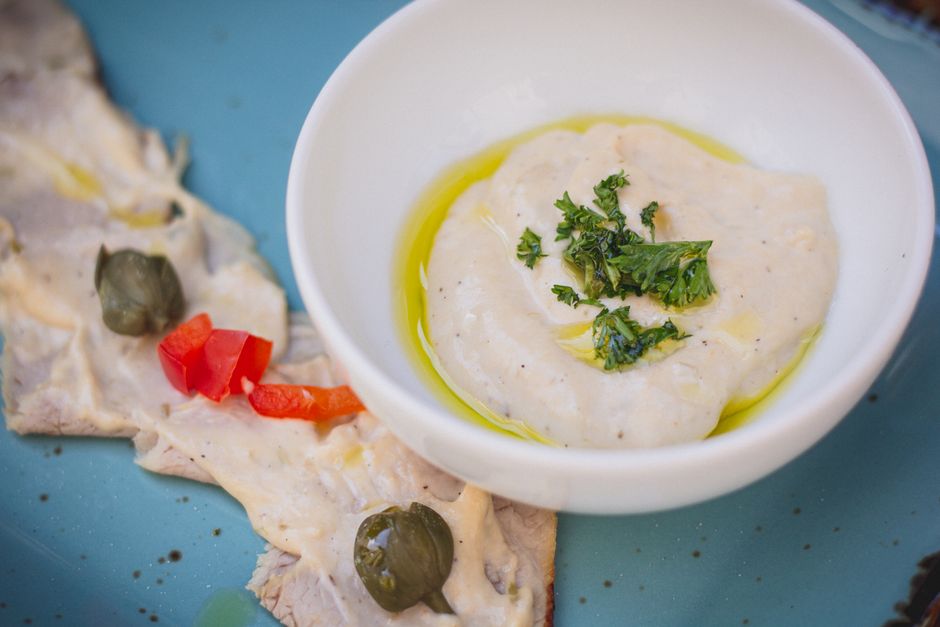
Butter: An emulsion of fat and water stabilized by milk proteins and lecithin. Butter only stays coherent because natural emulsifiers are present.
CBD tinctures without proper emulsifiers behave like pure olive oil—not what you want in a clear, tasty drink.
Emulsifiers That Actually Help: Gum Arabic and Lecithin
To keep cannabinoids evenly suspended in water-based drinks, we need emulsifiers—molecules that have both lipophilic (fat-loving) and hydrophilic (water-loving) properties. They act as mediators between oil and water.
Emulsifier Source How It Works Effectiveness in CBD Tinctures Gum Arabic Natural plant sap Forms a sticky barrier around oil droplets, helping them disperse in water Widely used in beverages, holds well in sparkling water and cold drinks Lecithin Egg yolks, soybeans Phospholipid that stabilizes oil droplets at the water interface Common in emulsified CBD products; good at preventing separationThese emulsifiers don’t just mask separation—they create stable suspensions, crucial for consistent dosing and a pleasant drinking experience.
Why Some “Homebrew” Tricks Fail
- Simply shaking oil in sparkling water won’t result in lasting emulsification—you need an emulsifier, not just agitation. Additives like tincture in sparkling water without proper emulsifiers often cause the CBD to bead up and cling to glass. Overheating CBD oil to “break down” the lipids can ruin the terpene profile and reduce potency.
Water-Soluble and Nanoemulsified CBD: The Real Game Changers
If you want your CBD to truly blend seamlessly into cold, clear beverages, look for these buzzwords:
- Water-Soluble CBD—This form chemically converts cannabinoids to particles that dissolve in water, making them mix clear and evenly. Nanoemulsified CBD—These are tiny, stabilized droplets (20-200 nanometers) dispersed in water, created using ultrasonic or high-shear mixing and emulsifiers like lecithin or gum arabic.
Brands focusing on beverage-friendly products typically invest in these technologies. They ensure consistent bioavailability and prevent the cbd oil separating in water problem entirely.
Joy Organics and USDA Certified Organic Tinctures
Joy Organics offers USDA certified organic tinctures that emphasize purity and potency. However, most oil-based tinctures—even those as clean as Joy Organics’—are still subject to separation when added to water because of the lipophilic cannabinoid molecule itself.
If your intent is to make sparkling water or other beverages with their product, consider pairing it with an appropriate emulsifier or look for their water-soluble formulations, if available, or other trusted brands specializing in beverage formulations.
Summary: What To Do When Your CBD Oil Separates in Water
Know your tincture formulation. Most standard oil-based tinctures will separate in water due to cannabinoids being lipophilic. Don’t rely on shaking alone. Without emulsifiers like gum arabic or lecithin, your tincture will bead and float. Try water-soluble or nanoemulsified CBD products. These are designed specifically to blend in beverages clearly and evenly. Consider kitchen analogies. Using olive oil or butter as a guide helps understand why oils separate without stabilizers. Choose brands wisely. Look for USDA certified organic tinctures like those from Joy Organics but understand their proper use cases.Until beverage-specific CBD solutions become ubiquitous, expect that your traditional tincture will remain a stubborn oily layer on top of your sparkling water. Embrace that knowledge, and you can make smarter choices for your zero-proof, CBD-infused drinks that actually taste and drink well.