By a 9-year beverage writer and bourbon enthusiast who always asks: neat, rocks, or cocktail before recommending anything.
If you’re dipping your toes into the world of bourbons, you’ve probably stumbled across terms like “high-rye bourbon,” “cinnamon bourbon,” and “baking spice whiskey.” Maybe you’ve heard friends rave about bold pepper notes or debated “older is better” — and you want to know what all that really means for your palate.

In this post, we’ll break down the flavors, the mash bill impact, and the often misunderstood role of proof. Whether you’re a casual sipper or hunting for your next favorite bottle, here’s what you need to know about tasting high-rye bourbon.
Subjective Taste and Personal Preference: The Starting Point
Before we dive into specifics, a quick reminder: taste is incredibly subjective, and your preference matters most. I always ask friends and readers, “Neat, on the rocks, or cocktail?” because that changes everything.
You might love a spicy, high-proof rye-forward bourbon neat, but find it too intense in a cocktail. Or you could find those pepper notes perfect after a splash of water that adjusts the “volume knob” on the heat.
Keep that personal preference in mind as we explore the typical flavor map of high-rye bourbons.
Flavor Profile Mapping: What Your Nose and Palate Can Expect
High-rye bourbons usually have mash bills with a greater-than-average rye content — typically around 20-35% or more rye grain. This rye pushes the flavor spectrum in some distinctive ways compared to more traditional corn- or wheat-based bourbons.
Typical High-Rye Bourbon Flavor Profile Flavor Category Typical Notes Descriptor Examples Spicy & Herbal Sharp, peppery, baking spices Cinnamon bourbon, clove, black pepper, rye bread Sweet Underlying sugar warmth, caramel, vanilla Brown sugar, maple syrup, vanilla bean Fruity Subtle dark fruit Cherry, plum, dried apricot Oaky & Toasted Barrel influence Toasted oak, leather, mild bitterness Dessert-Like Hints of sweetness, almost confectionary Molasses, honey, baked apple pieThe presence of rye elevates the baking spice whiskey character, often drawing comparisons to fresh-ground black pepper or cinnamon bourbon styles. High-rye bourbons tend to be more assertive, especially compared to wheat bourbons, which are generally softer and sweeter.
Examples of Tasting Notes from My Tiny Notebook
- Vanilla, toasted oak, dark fruit, cinnamon spice Peppercorn heat, caramel sweetness, subtle leather Maple syrup, dried cherry, clove, gentle tobacco
These notes come from sipping a variety of high-rye bourbons neat, then with a few drops of water to tame the proof heat.
Proof and Perceived Heat vs. Intensity
Many newcomers mistake high proof (usually above 100 proof) as just “strong alcohol burn.” But proof works more like a volume knob — it controls how much the nuanced flavors come through and how much heat you feel.
High-rye bourbons often have a spicy kick amplified by this proof. But sometimes, proof vs flavor bourbon what you perceive as harsh heat is actually intensity in flavor that mellows with a splash of water.
To illustrate:
At 120 proof, cinnamon bourbon flavors might feel like a peppery blast—exciting but overwhelming for some. Add a few drops of water—like turning the knob down—and spices open up into warm baking spice whiskey notes without a sharp burn. The sweetness (vanilla, caramel) and fruit (cherry, plum) also bloom, balancing the heat.This “volume control” effect is why I always ask how someone prefers to enjoy their bourbon. The way you serve it will shape your flavor journey.
Mash Bill Impact: How Corn, Rye, and Wheat Shape Flavor
The mash bill — the blend of grains fermented and distilled — is the backbone of bourbon flavor. Here’s how it breaks down in relation to high-rye bourbons:
Mash Bill Grain Roles Grain Typical Percent Flavor Influence Corn At least 51% by law Sweetness, smoothness, caramel and vanilla undertones Rye 20-35% or more in high-rye bourbons Spicy bite, baking spices like cinnamon & clove, herbal notes Wheat Less common in high-rye bourbons Soft, round mouthfeel, gentle sweetness (butterscotch, bread)Because a high-rye bourbon usually has significant rye, those pepper notes and cinnamon bourbon characters are front and center. This contrasts with “wheated” bourbons, like Maker’s Mark, which favor softness and scarcely any spice.
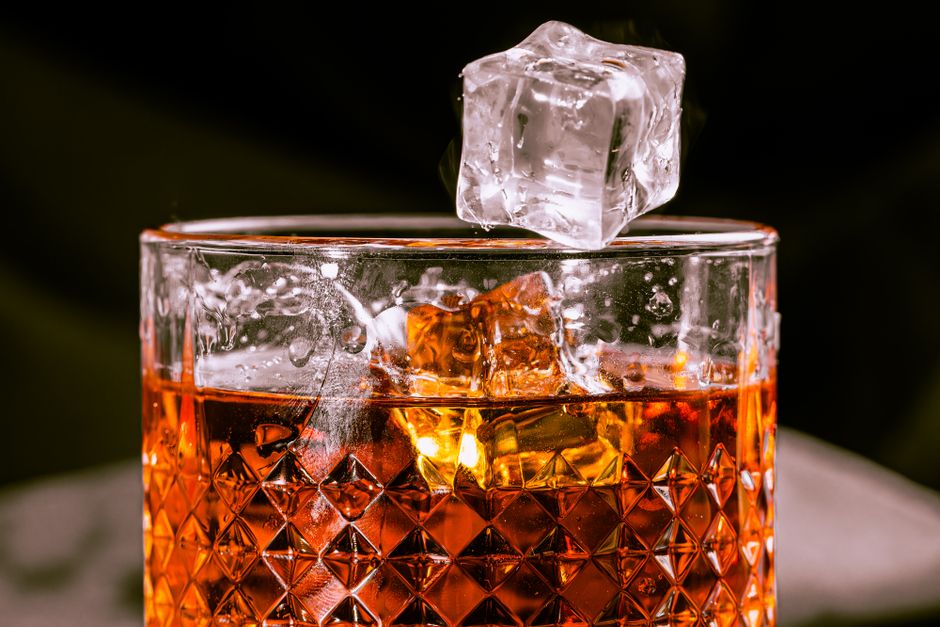
Common High-Rye Bourbons and Their Mash Bills
- Bulleit Bourbon: ~28% rye — known for prominent spicy, peppery notes. Four Roses (various recipes): Some high-rye recipes with 35% rye offering complex spice. Wild Turkey 101: Around 13-15% rye, showcasing warm cinnamon and peppery backbone.
Keep in mind proof, aging, and barrel entry proof also influence how those mash bill flavors land in your glass.
Wrapping It Up: What Should You Expect from a High-Rye Bourbon?
If someone hands you a high-rye bourbon and you’re wondering what to expect, here’s a quick mental checklist:
- Neat: Prepare for a spicy punch — peppery, cinnamon bourbon warmth, and complex baking spice whiskey notes With Water or Ice: The rye heat softens, allowing sweet vanilla, oak, and fruity layers (cherry, plum) to shine In Cocktails: The spice cuts through mixers and adds depth — perfect in an Old Fashioned or Manhattan
Remember, “older is always better” is a trope I like to bust — some younger high-rye bourbons bring vibrancy and punch that older, mellowed ones lack. The best way to learn is to taste widely and take notes! (Yes, I keep a tiny notebook.)
Share the Bourbon Love
If you found this guide useful, please share it with your friends on social media. Whether it’s on Facebook or X (formerly Twitter), spreading the knowledge helps everyone find their perfect sip.
Final Tasting Tip
Next time you open a cinnamon bourbon or a baking spice whiskey with a peppery edge, try it neat first, then add a few drops of water. See how the balance shifts from “fireball” to complex comfort? That’s the magic of proof and https://bizzmarkblog.com/what-does-a-wheated-bourbon-taste-like/ mash bill working in harmony. Cheers!